The beauty of Human Hands
and how far is robotics
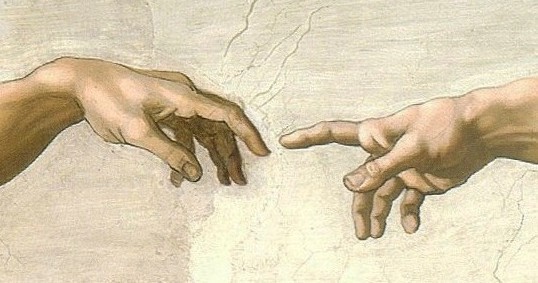
Don’t tell my parents
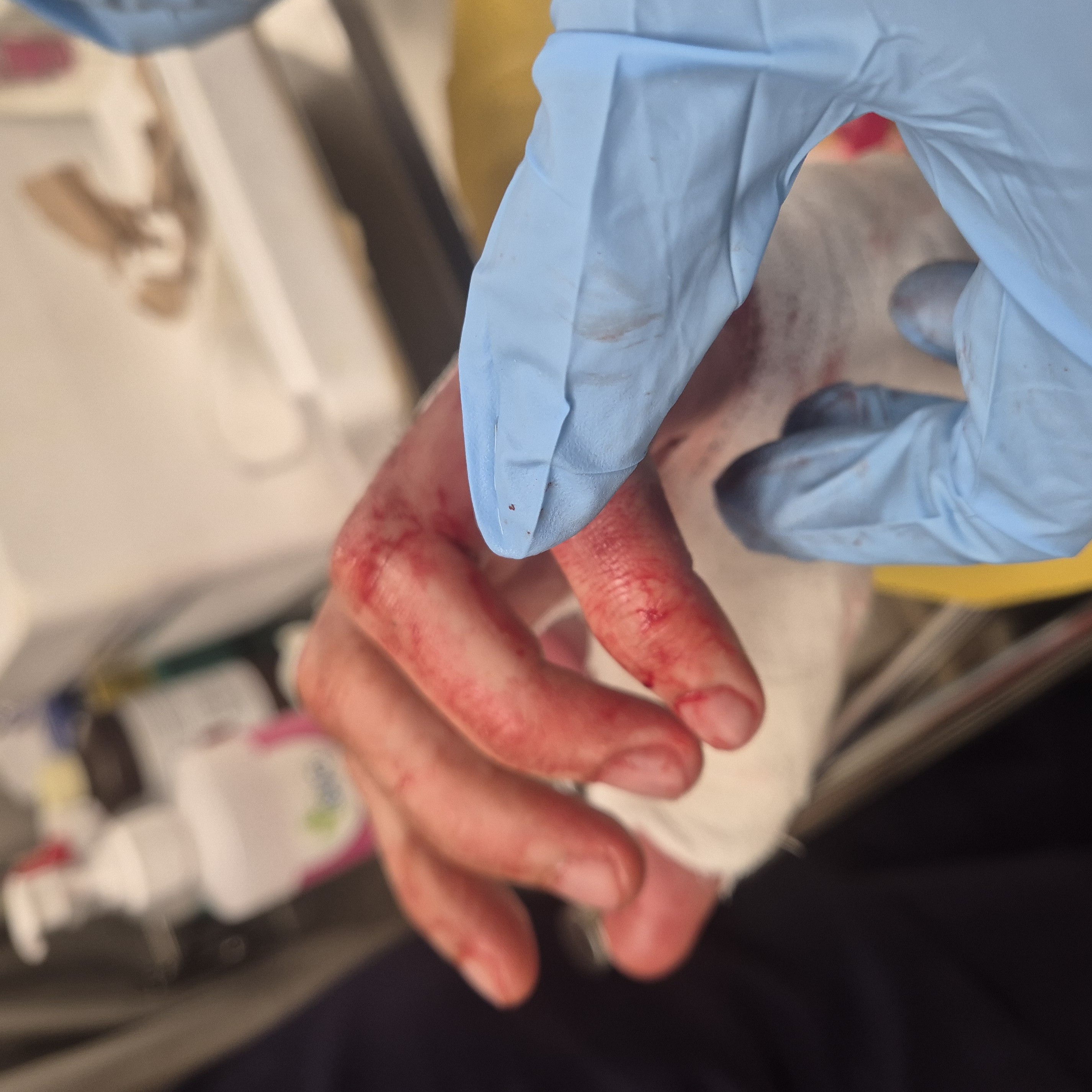
2 days ago, I injured my left hand in a fight with my glass bowl (he started it). I quickly grabbed my left hand tightly with my right as soon as I saw the blood gushing out. Still, I wasn’t able to stop the blood dripping out all the way to the hospital (sorry cleaning staff). Surprisingly I didn’t feel much pain. The nurses stopped the bleeding and did an X-ray to see if there aren’t any glass particles inside. Luckily there weren’t any. They cleaned the wound again after a while and stitched the torn skin up, and patched other minor cuts. And that is the origin story of how I became half Frankenstein’s monster. 😈
It’s been 2 days now and I’m living off of one hand. The injured one needs a little rest. Things are difficult but I’ve adapted quickly (we need such adaptability in robots too). I can now wash dishes, cut mangoes 😋, and type on my laptop with just one hand (although it is very slow). This incident only made me realize how beautifully designed and engineered our hands are. They have been the best tools for the survival and the growth of our species. We started using these tools to make other tools millions of years ago and haven’t stopped since.
Some might argue, language has been the best tool for our development as an intelligent species, since we can communicate ideas from generation to generation and develop on last one’s progress. But many linguists believe that the sign language through hands have been in use much before spoken languages existed. Us and our opposable thumbs against the world.
You know when we lose our thumb, doctors sometimes replace it with our toe. Because the mobility toe offers is still better than no thumb at all.
More interesting things about hands
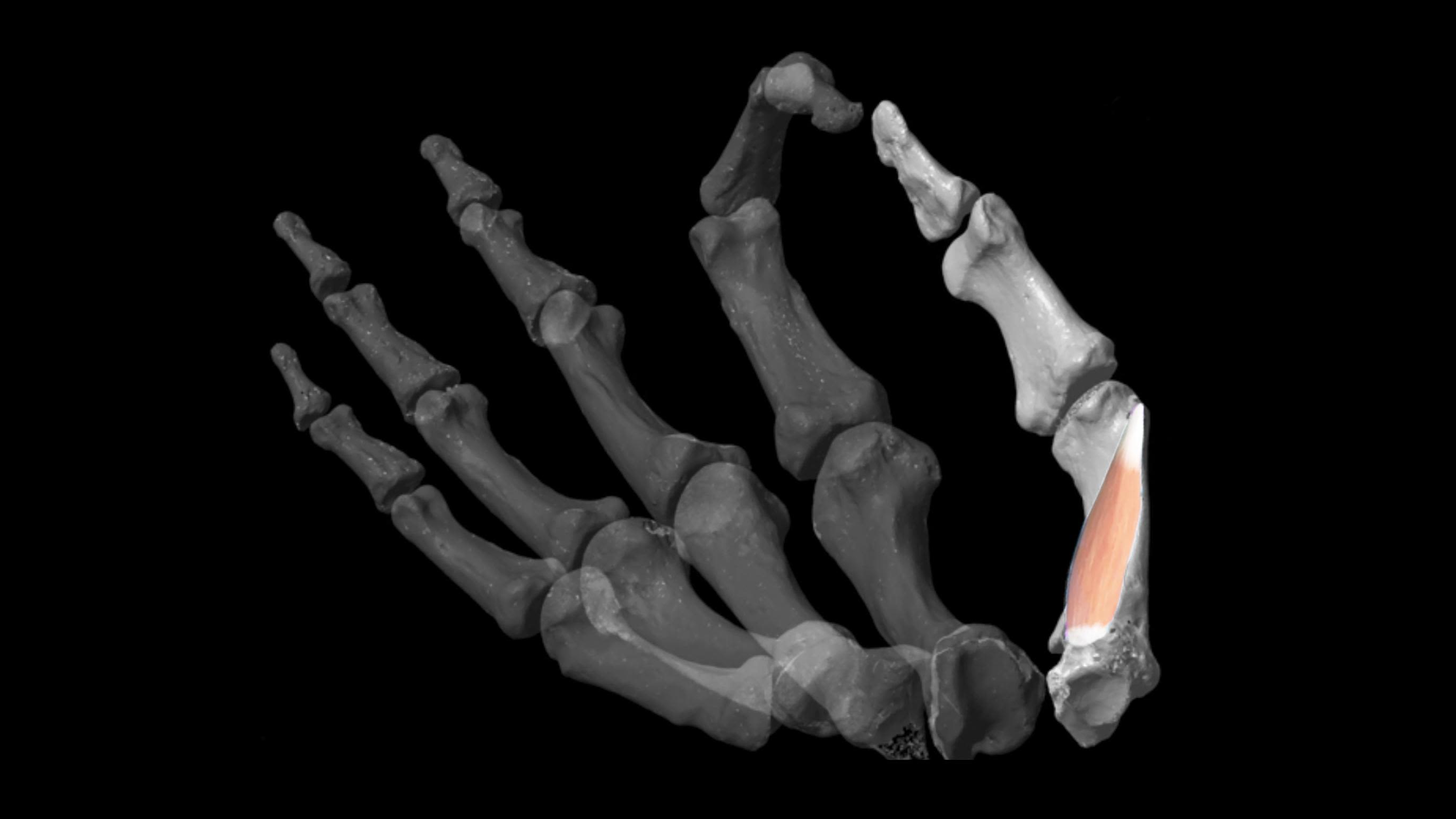
But yeah sure, a lot of other mammals have opposable thumbs too (chimps, gorillas, baboons, macaques). But it is only humans who have the ability to rotate our small and ring finger across the palm to meet the thumb. This gets us our unparalleled grip, grasp and torque capability. Our pinky actually gets a lot less credit than it deserves. If you immobilize just the little finger, grip strength drops by 33%.(WHICH IS A LOT).
Our hands are very complex biological machinery and have developed over millions of years through evolution. Don’t be like me and please take care of this beauty. They are so complicated and still work so elegantly. There are a total of 54 bones in both our hands (out of 206 total in the ENTIRE HUMAN BODY). Apart from that, each hand has:
- 27 joints,
- over 100 ligaments,
- 34 muscles,
- 48 nerves and,
- 30 arteries.
All of this along with those tightly packed sensory receptors that help us identify if things are hot or cold, rough or smooth, thick or thin, and their shapes.
DID YOU KNOW: HUMAN FINGERTIPS ARE MORE SENSITIVE THAN THE HUMAN EYE (let that sink in).
All of this when we don’t even have any muscles in our fingers and thumbs. There are only tendons attached to the bones. All the muscles that control these fingers are our in hand and forearms. Wiggle your finger and you are watching forearm muscles pull strings (a lot of robotic hand architectures have been inspired from this tendon-driven architecture).
How far is Robotics?
First let me tell you more about human hands for benchmarking. Human hand weighs around 450 grams. Robot hands today weigh 2–10x as much for the same size. Human hand has 27 degrees of freedom and it pulls off everything it does on roughly 5 watts of metabolic power, similar robot hands draw 10–50x that. Our fingertips can detect surface bumps as small as 13 nanometers. That tactile resolution is hard to match in robot hands.
“If your finger were the size of the Earth, you could feel the difference between houses and cars.”
~ Mark Rutland
Even if we solve hardware and make it as functional and efficient as human hand, we still don’t have the software brains to use it as good as we do. You know our nervous system maps more brain space just to our fingers than almost any other body part. This means more nerve endings, more sensory feedback and more precision per movement. This is still the hardest part to replicate in robotics.
Let me now share some of the popular designs and research I’m aware of:
1. Wuji Hand
Just look at it oh my god. It looks and feels super natural. This was the hardware tech behind recent viral Genesis AI demos that you might have seen on Twitter 1. It has 20 degrees of freedom, weighs about 600 grams and has grip load of 10 kg (I have 4–5x that if my hand is not injured).
The biggest differentiator with almost all other robot hands is that it is direct-drive (unlike tendon-based systems). This helps close the sim-to-real gap for AI training. Wuji’s docs also mention 7 zones on the tactile palm surface but more details on it aren’t public yet. I love this video and I shared it to all my friends when it came out. It is still far from biological hands but shows great progress.
2. Orca Hand2
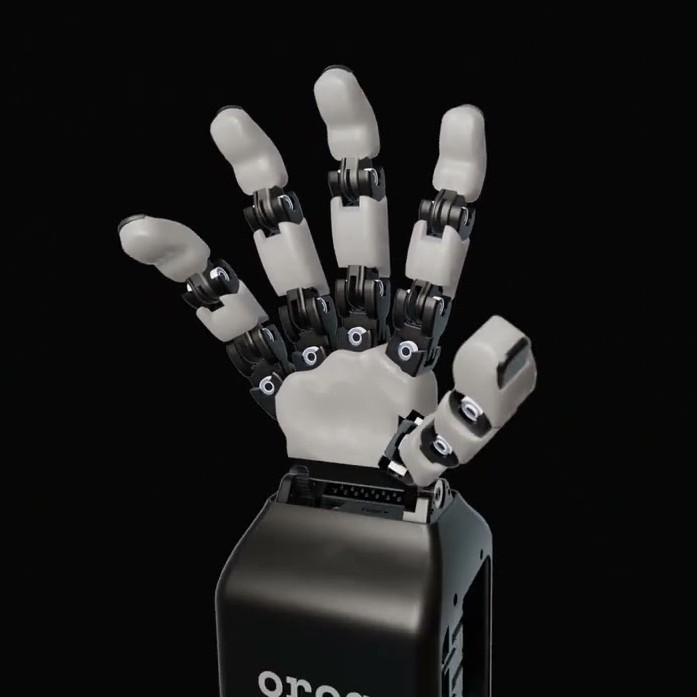
I like it because it is open source. All the design files (STLs), control software, material lists and instructions are publicly available. It came out of ETH Zurich’s Soft Robotics Lab and it’s a tendon-driven, anthropomorphic robotic platform with 17 degrees of freedom2. Material cost is below $2,200 and one person can assemble it in under eight hours. It is one of the more maintenance and repair friendly tendon driven hand out there. Repairing human hands is significantly harder (I should know).
It also has a touch threshold of ~0.05 N at fingertips. The paper characterizes the integrated tactile sensors sitting under the soft silicone skin as commercial FSR (force-sensitive resistor) sensors.
3. Tesla Optimus Gen 3
The hand on Optimus jumped from 11 DOF/hand in Gen 2 to 22 DOF/hand in Gen 3. It is again a tendon-driven architecture mimicking human anatomy. Tesla says that the fingertip sensors are 4x more sensitive than Gen 2. They also published four international patents in April 2026, but then Musk himself posted April 19, 2026 that “we already changed the design. This one didn’t actually work” 3. IDK what’s going on.
4. Sanctuary AI Phoenix
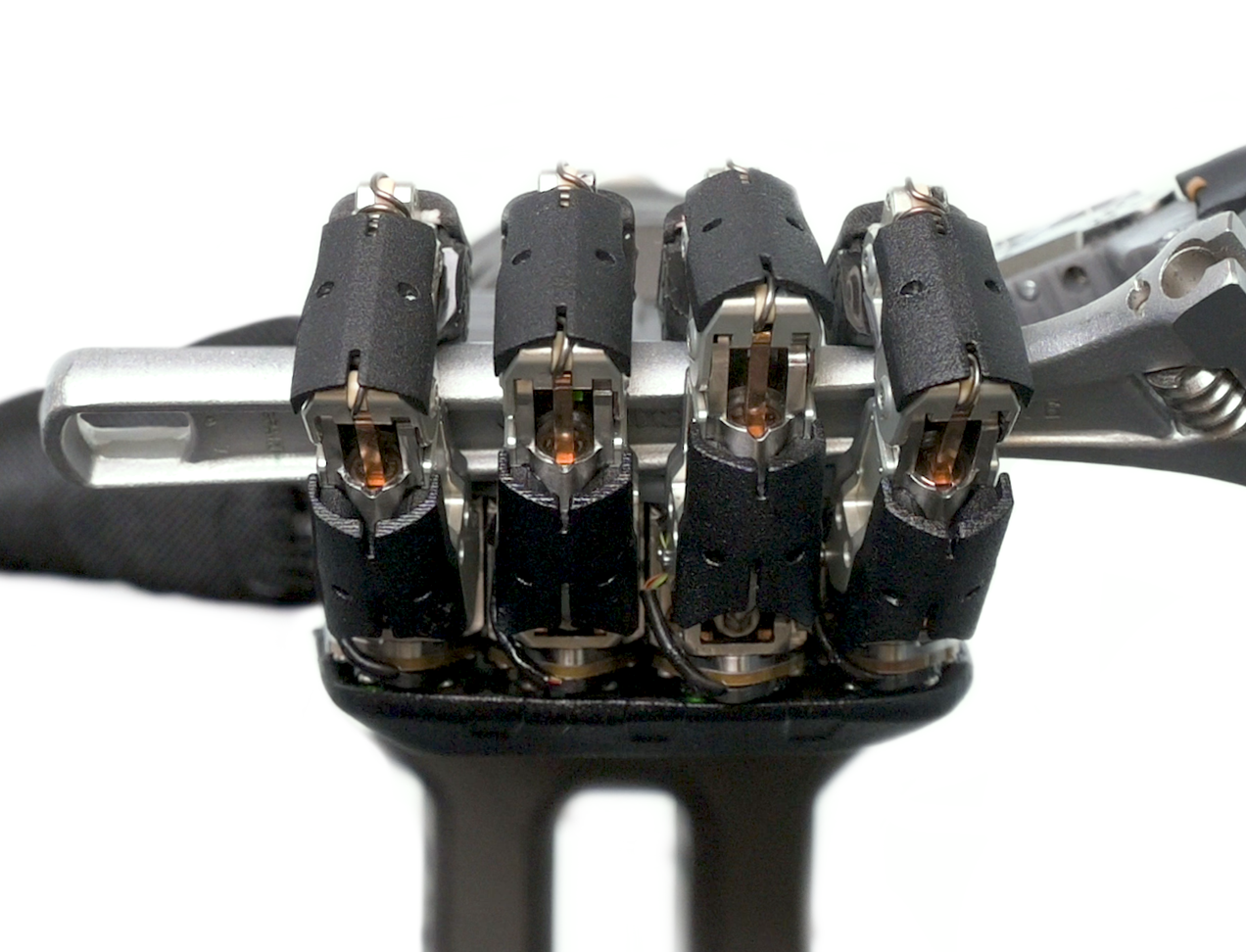
The outlier. This guy is a hydraulic system with 20–21 DOF and pressure sensitivity down to 5 millinewtons. The new upgrade added a 7-cell micro-barometer touch sensor per fingertip (REPURPOSED FROM SMARTPHONE PRESSURE SENSORS). How cool is that?
5. 1X Neo
Beautiful tendon-driven 22 DOF hand (IP68-rated btw). Best part is that it runs 1X World Model “Redwood” (not VLAs). Basically, it’s a video-pretrained world model that generates predicted future frames, then uses an Inverse Dynamics Model to extract actions.
6. Shadow Dexterous Hand
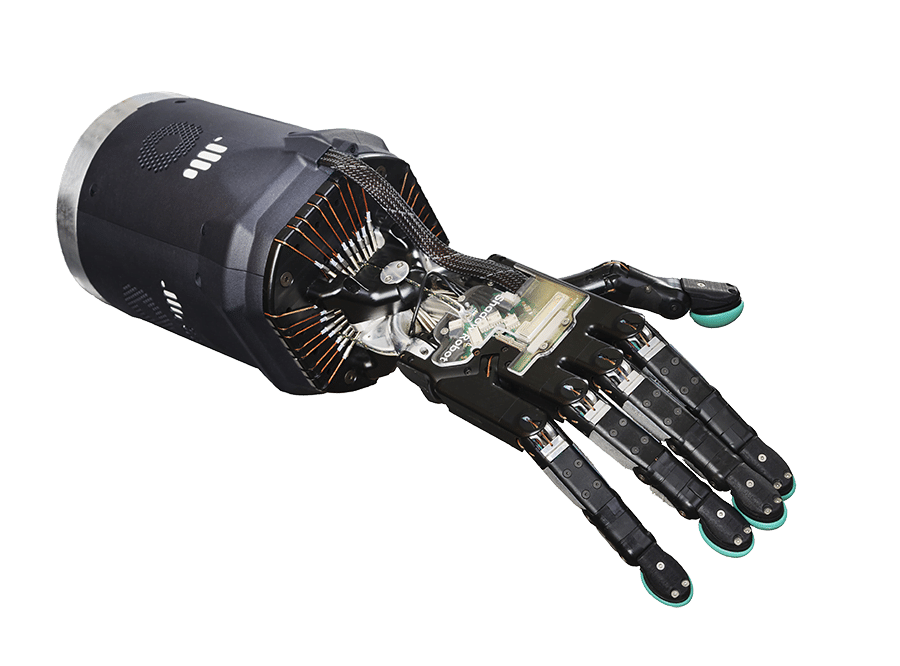
This guy remains the academic gold standard at 24 total DOF / 20 actuated, 100+ sensors at 1 kHz, tendon-driven architecture. But sadly, one hand alone weighs about 4.3 kg and costs in the six figures :(
Other Notable Players
Other designs worth looking at are Figure 03, Boston Dynamics Atlas (only 3 fingers tho), Unitree G1-Dex3-1 and Apptronik Apollo (integrates the Psyonic Ability Hand).
That’s it for now
Human hand is a very efficient and a highly complex but elegant machine. Evolution had 60 million years and brutally tight constraints. Engineers have had ~50 years and Moore’s Law. We are catching up but the human hand is still the reference design everyone is benchmarking against.
And I should also let you know that my hand is healing fast and the bowl and I have settled our differences (I threw it in the garbage bin). I will miss you bowl. Anyways, check out this song I have been listening a lot recently. Let me know if you like it too.
Take care, bye.